- Sanitation is the removal of all kinds of waste that could be considered unpleasant from our immediate environment, in order to keep ourselves and our environment clean and healthy.
- Many diseases-causing germs, insects and small animals such as rats, flies, mosquitoes and cockroaches, breed well in dirty and filthy environment. Germs cannot move on their own. They are usually transmitted from one person who is infected to another person not yet infected. Thus, if you touch infected areas and you do not wash your hands immediately afterwards with soap, you are likely to contract the disease.
- The surest way to prevent germs from spreading is by maintaining proper environmental sanitation at all times. This involves proper disposal of solid and liquid wastes especially faeces.
Importance of Sanitation
- The following are the importance of sanitation:
- It improves the quality of the environment
- It protects one against diseases.
- It makes for proper disposal of refuse in the community (village, town, city).
- It removes germs and vectors from the environment.
- It enables us to engage in activities that would help us to maintain the balance in nature.
- It makes one to be physically fit.
- It enhances the beauty of the environment.
- It encourages recycling of refuse, and using it to make compost and manure.
- It enables one to enjoy sound sleep.
- It facilitates proper disposal of waste in the community.
Methods Used in Maintaining Proper Sanitation
- The following are the methods of maintaining proper sanitation.
- Proper disposal of faeces and types of toilets
- Proper disposal of refuse and garbage
- Washing the gutter, and
- Cutting the bush around our surrounding.
Methods of disposing of faeces and types of toilets
- We have the old and the modern methods of disposing faeces. In recent times, the old methods have been faced out because they are not hygienic enough.
- The old methods of disposing faeces include:
- Bucket system
- Surrounding bush or open space
- Pit latrine
- The modern methods of faeces disposal are:
- Water closet system
- Septic tank system
Refuse and Sewage
- Refuse is a solid waste whether dry or wet which could cause land pollution e.g. nylon, paper, plastic, broken bottles, scraps, etc. Refuse wastes materials could be divided into two, namely: biodegradable and non-biodegradable.
- Biodegradable materials are materials that can decompose or decay e.g. banana peels, dead leaves, dead animals, etc.
- Non-biodegradable things are materials that cannot be decomposed or decay e.g. metals, plastics, broken bottles, etc.
- Sewage is a liquid waste from the environment e.g. faeces, urine, wasted water from kitchens, bathrooms, etc.
Methods of disposing refuse and garbage
All solid waste matter that are no longer needed are called refuse. When all these waste materials are collected together, they are called garbage. Garbage and refuse are often used interchangeably. 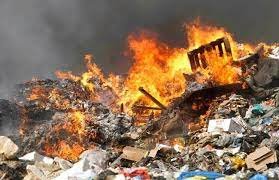
There are many ways by which refuse and garbage can be disposed of, these include:
- Burning: Burning of garbage will reduce the amount of decaying matter available for pest. However, burning causing another problem as the surrounding will become polluted by the gases released.
- Using sanitary landfills: A good way of getting rid of garbage is by using sanitary landfills. Pits are dug and garbage put in them. The garbage is then covered with the soil dug out from the pit to speed up decomposition and prevent rats, cockroaches and other pests from feeding on the garbage. Unfortunately, sanitary landfills take up a lot of land space.

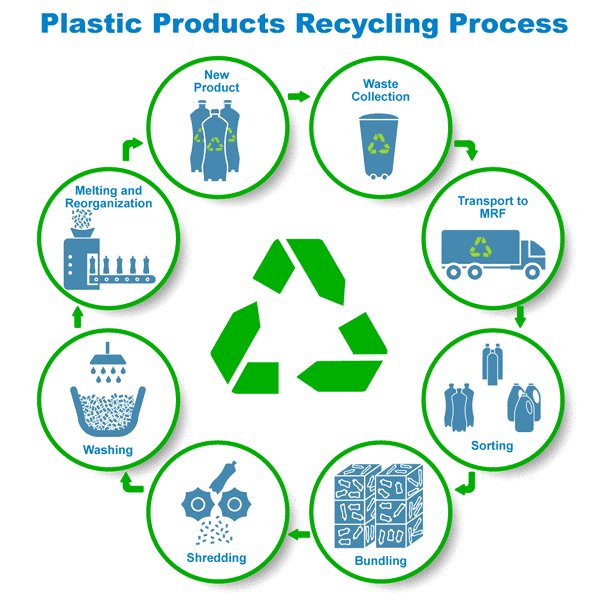
- Garbage recycling: This is a very good method of garbage disposal that will not only prevent pollution, but will also give us many useful products. Since garbage is made up of mainly paper, plastic, tin, can, aluminum cans, iron scraps and so on, these materials can be separated, cleaned up and sent to the factories to be used again. Food scraps can be gathered together while the fats extracted from them can be used to make soap. If all garbage were recycled, there would be less environmental pollution.
Cleaning Tools and Agents
These are materials and chemicals used to keep the home and surrounding clean. Cleaning tools are broom, mop, brush, duster, sponge, tissue paper, shovel, cutlass, rake etc. while cleaning agents are scouring powder, soap, detergents, water etc.